
For non-prescription products, read the label or package ingredients carefully. “Alcohol is actually one of the worst, most aggressive compounds to destroy your skin,” says New York nutritionist Jairo Rodriguez, who counts designers and Vogue editors among his clients. “I always joke with my patients, ‘If you want to get older, go ahead https://ecosoberhouse.com/ and drink! ’” Here, Rodriguez breaks down the exact effects of alcohol on the skin, as well as the benefits of giving up alcohol or imbibing more tactfully. Urticaria (hives) may occur within minutes to hours of drinking alcohol and is sometimes due to allergic reaction.
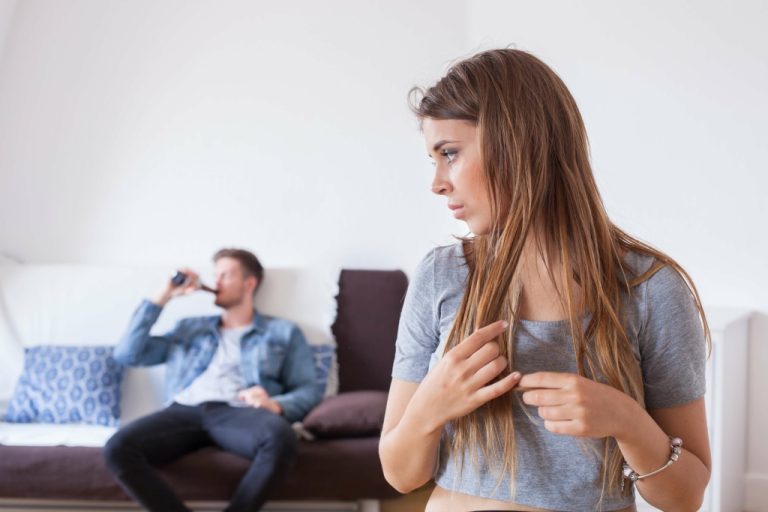
Risk Of Skin Cancer
Alcohol is a diuretic, meaning it causes the kidneys to increase urine production, which rapidly leads to systemic dehydration. This fluid loss immediately impacts the skin, which can appear dull, dry, and less elastic. The loss of moisture also triggers a compensatory response in the skin’s sebaceous glands, which may begin to produce excess oil, or sebum, to counteract the dryness. Yes, alcohol can dilate blood vessels, leading to facial redness, flushing, and the development of broken capillaries, especially in individuals with rosacea or sensitive skin. You pour another glass without thinking, meet friends for a cocktail that turns into two, or make a few too many toasts at dinner.
Mental Health Effects That Impact Appearance
Employers often use urine tests due to their cost-effectiveness and longer detection window, making them a practical choice for monitoring abstinence. Younger adults generally process alcohol more efficiently than older individuals due to differences in liver function and body composition. Skin experts and dermatologists consistently highlight alcohol’s significant effects on hydration, inflammation, sleep quality, and the skin barrier. These factors collectively dictate our skin’s appearance as we age. A comparative analysis reveals that ACT Mouthwash’s alcohol content is comparable to other leading brands, such as Listerine, which also contains 21.6% alcohol. However, alcohol-free alternatives, like Crest Pro-Health, offer a gentler option for those seeking to drug addiction treatment avoid alcohol-related side effects.
- Alcohol’s impact on the skin is a complex interplay of hormonal disruption, pore congestion, and inflammatory responses, all of which contribute to acne and breakouts.
- A night of drinking can make us appear older than we actually are — even if we’re young.
- These occur when the blood vessels near the skin’s surface become dilated and damaged, often due to repeated exposure to alcohol.
- Comparing the effects of alcohol on the skin to other factors, such as smoking or pollution, highlights its unique role in vascular damage.
Visible Skin Changes from Drinking
You’ll also enjoy multiple other health benefits, including reduced risk of disease, lower blood pressure, improved organ function, weight loss and better mental health. The liver processes about one standard drink per hour, but this rate isn’t universal. For instance, a 25-year-old may metabolize alcohol 10-20% faster than a 55-year-old consuming the same amount. This age-related decline is tied to reduced liver function and enzyme activity, meaning older adults may feel effects longer and clear alcohol more slowly. If you’re over 40, consider this when planning recovery time after drinking. Understanding when alcohol is completely out of your system is a common concern, especially for those who need to drive, work, or undergo medical tests.
Your Skin Health Before and After Quitting Alcohol
As a diuretic, alcohol promotes water loss through urine (hence all those trips to the bathroom). Increased urination leads to a significant loss of bodily fluids, including the moisture that our skin relies on to maintain a healthy glow. Bacterial and fungal infections are more likely to occur in people who drink alcohol excessively. This is because alcohol weakens the immune system and can decrease the body’s ability to absorb nutrients.
Sign up for free and stay up to date on research advancements, health tips, current health topics, and expertise on managing health. Alcohol interferes with deep, regenerative sleep – the phase during which skin repairs itself. Yes, all variants of ACT mouthwash are formulated without alcohol, ensuring consistency across the brand’s product line.
Well-hydrated skin how does alcohol affect your skin means a reduction in the appearance of fine lines and wrinkles. Your skin will be better equipped to defend itself against free radicals, slowing the development of new wrinkles. Chronic alcohol use limits your skin’s ability to repair itself and depletes collagen and elastin, two key proteins that give skin firmness and elasticity. With lower levels, your skin is more prone to sagging and wrinkling, aging your appearance.
- Your liver has great regenerative powers, but constantly working overtime to restore itself takes its toll.
- You pour another glass without thinking, meet friends for a cocktail that turns into two, or make a few too many toasts at dinner.
- Alcohol-free versions lose potency faster—usually within one year once opened—and homemade batches should be used quickly within weeks due to lack of preservatives.
- While there is no direct link between alcohol and acne, alcohol consumption can exacerbate acne in several ways.
- For those using Dry January as a longer-term reset, rebuilding the skin should start with barrier support rather than aggressive treatments.
Lifestyle effects
To mitigate this, alternate alcoholic drinks with water, and ensure hydration before, during, and after drinking. Carry a reusable water bottle and aim for at least 8 ounces of water per alcoholic beverage consumed. Binge drinking, defined as consuming 5 or more drinks for men or 4 or more drinks for women within 2 hours, is a direct pathway to alcohol poisoning. The body can only metabolize about one standard drink per hour, so exceeding this rate overwhelms the liver, allowing toxic levels of alcohol to flood the bloodstream. For context, a “standard drink” is 14 grams of pure alcohol—equivalent to 12 ounces of beer (5% ABV), 5 ounces of wine (12% ABV), or 1.5 ounces of distilled spirits (40% ABV). Binge drinking bypasses the body’s natural defenses, leading to symptoms like severe confusion, slowed breathing, and unconsciousness, which are hallmark signs of alcohol poisoning.
This means that time is the only guaranteed method to eliminate alcohol from your system. However, certain strategies can support your body’s natural detoxification processes, even if they don’t directly speed up metabolism. Let’s examine the effectiveness of drinking water, coffee, or sleeping in this context. For immediate concerns, such as DUI checkpoints, limiting intake and timing consumption are critical. For employment screenings, abstaining for at least 3 days before a urine test reduces detection risk. Understanding these windows empowers individuals to make informed decisions, whether for legal compliance, health monitoring, or personal goals.

No comment yet, add your voice below!